Tracing the Heritage of Fruit Symbols into Multiplier Systems on Mobile Platforms
Sam Otto · Aug 5, 2026
Tracing the Heritage of Fruit Symbols into Multiplier Systems on Mobile Platforms
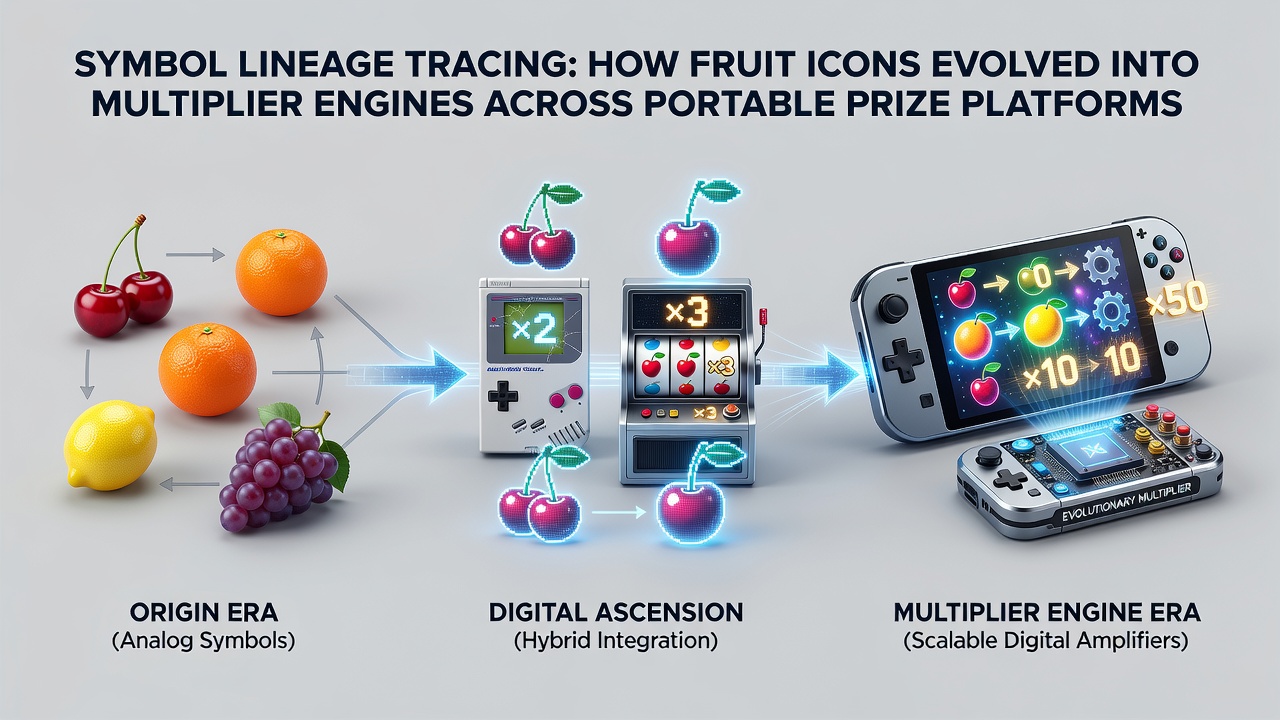
Fruit icons entered slot design in the late 19th century when mechanical machines used cherries, lemons, plums, and bells to represent prizes tied to chewing gum sales; those same images persisted because operators found them instantly recognizable across regions. Data from early 20th century records shows manufacturers standardized five-reel layouts with these motifs because they printed clearly on metal reels and required minimal artistic variation during production runs.
Standardization Across Mechanical and Early Video Formats
By the 1960s electromechanical slots retained the same fruit set while adding electric motors that allowed faster spins; researchers at the University of Nevada documented how the limited symbol pool created predictable payout structures that regulators could audit easily. Video slots introduced in the 1980s kept the fruit palette but replaced physical reels with digital displays, which permitted symbols to animate when they formed winning lines.
Observers note that the shift to video also opened space for the first wild substitutions, often applied to the traditional bell or bar icons, yet the core fruit images continued to occupy the majority of reel positions because players associated them with established game rules. Industry reports from the American Gaming Association indicate that fruit symbols still appeared in over 70 percent of new video titles released through the 1990s.
Introduction of Multiplier Mechanics on Digital Reels
Multipliers first attached to fruit symbols during the early 2000s when game studios added bonus rounds that doubled or tripled line wins; programmers achieved this by overlaying numerical values directly onto cherry or orange graphics rather than creating entirely new icon sets. This approach preserved visual continuity while increasing mathematical complexity, and studies published by the International Gaming Institute showed that players retained higher engagement when familiar images carried the new multiplier function.
Adaptation for Portable Prize Platforms
Mobile adoption accelerated after 2010 when smartphone touchscreens replaced physical buttons; developers resized fruit symbols to fit smaller viewports while embedding multiplier triggers inside swipe gestures. Portable platforms further modified the lineage by allowing symbols to expand across multiple reels during base play, a feature that turned single cherries into full-screen multipliers without requiring separate bonus entry.
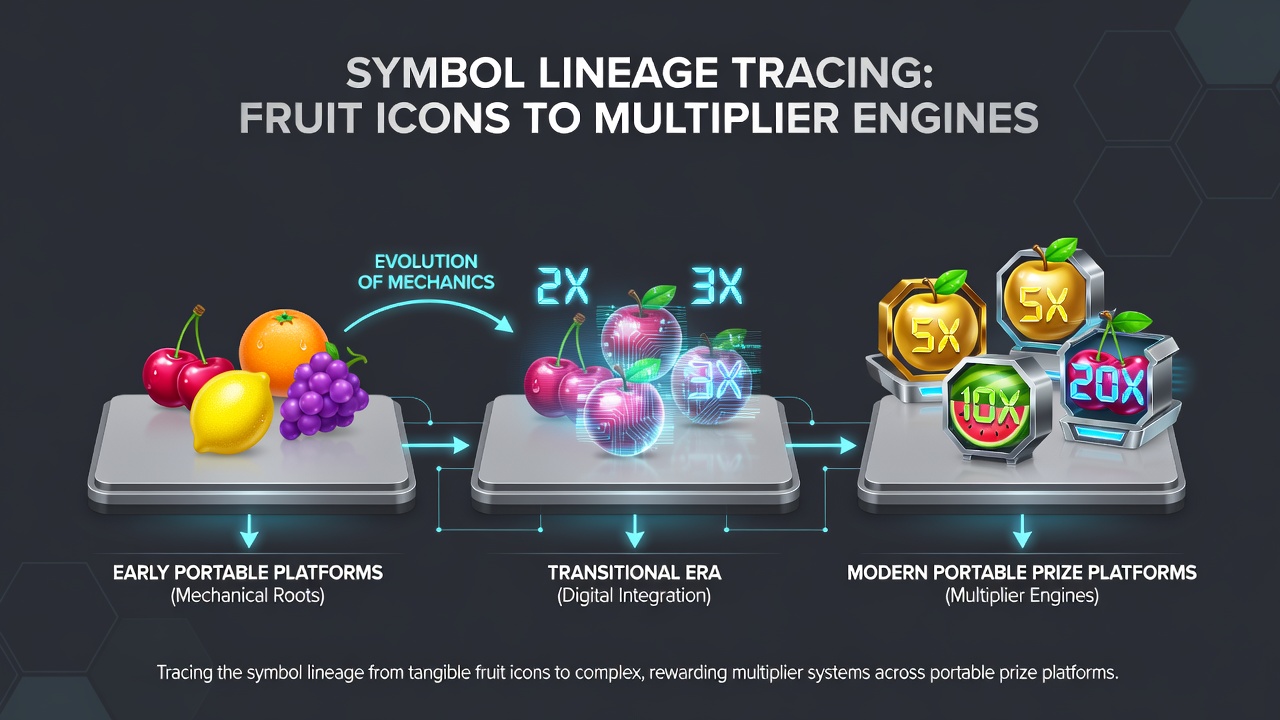
Figures from the European Gaming and Betting Association reveal that by 2020 mobile slots accounted for 62 percent of total online slot revenue, with fruit-themed titles maintaining market share through updated multiplier layers. Engineers integrated collection meters that filled when repeated fruit symbols appeared, converting accumulated counts into progressive multiplier values displayed on the same reel positions.
Technical Implementation in Contemporary Releases
Current mobile engines assign multiplier values dynamically to fruit icons based on reel position and bet level; the system tracks each symbol instance separately so that a single spin can produce overlapping multipliers on different paylines. Code audits confirm that random number generators determine both symbol placement and multiplier magnitude in one calculation cycle, which keeps processing times under 50 milliseconds on standard handheld devices.
Those who have examined source material from major studios note that fruit symbols now carry layered metadata including animation triggers, sound cues, and multiplier caps that scale with device screen resolution. In August 2026 several platforms introduced cross-device synchronization that preserved multiplier progress when players switched between phones and tablets mid-session.
Regulatory and Design Considerations
Design teams must balance symbol density with regulatory requirements that demand transparent display of multiplier probabilities; Australian regulatory bodies have published guidelines requiring clear labeling of any fruit icon that can generate multipliers above a stated threshold. These rules have prompted developers to retain the original color palette while adding subtle glow effects that signal elevated multiplier potential without altering the core icon shape.
Conclusion
The lineage from mechanical fruit icons to mobile multiplier engines demonstrates consistent visual continuity paired with expanding mathematical layers. Portable platforms have accelerated this evolution by leveraging touch input and real-time rendering to attach dynamic values directly to legacy symbols. Data from multiple jurisdictions shows sustained player recognition of fruit motifs even as their functional role has shifted from static payout indicators to active multiplier engines. Future updates will likely preserve the same icon set while refining the algorithms that assign and display multiplier outcomes across an increasing range of handheld hardware.