Licensing Regimes Guiding Adaptive Reel Mechanics in UK Casino Applications
Harper Simon · Aug 24, 2026
Licensing Regimes Guiding Adaptive Reel Mechanics in UK Casino Applications
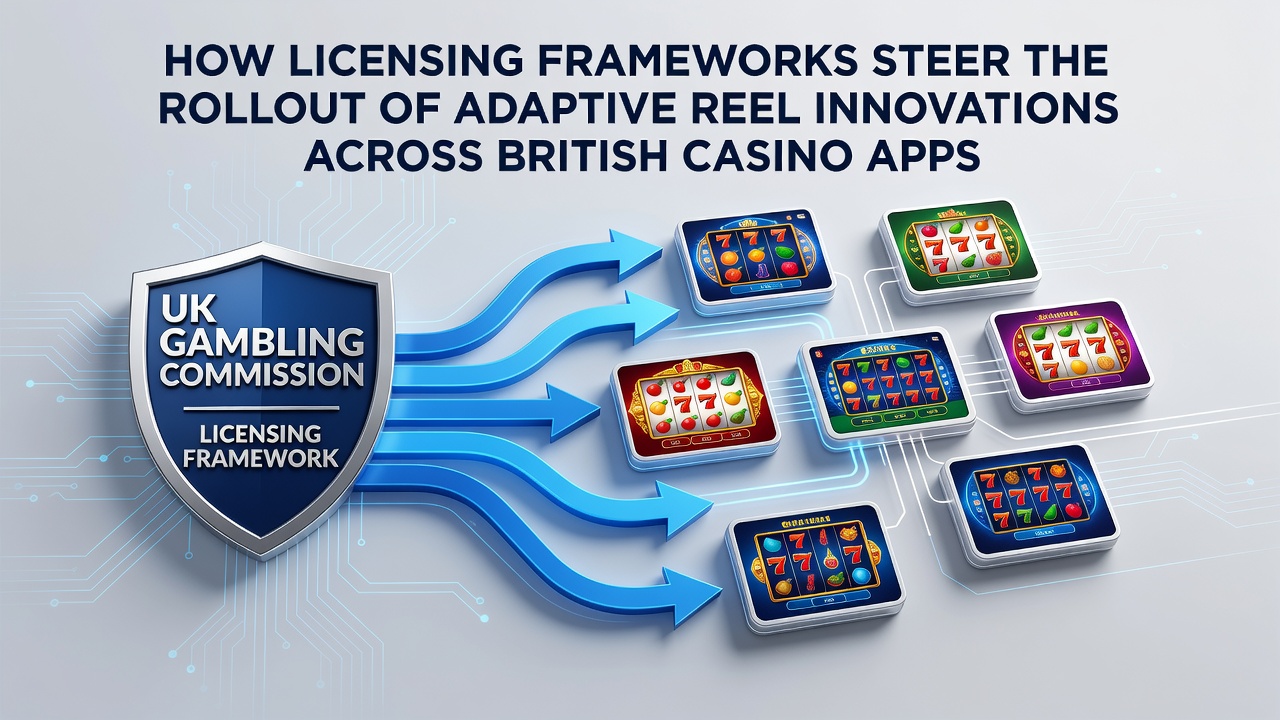
Adaptive reel innovations refer to slot features that adjust reel structures dynamically during play, including expanding rows, variable ways-to-win calculations, and real-time symbol stacking systems. Licensing frameworks in Britain shape how developers integrate these elements into casino applications by setting compliance standards for randomness, player protection, and game fairness before any public release. Data from industry reports shows that operators must submit detailed technical specifications for each new mechanic, which extends approval timelines but ensures consistent standards across mobile platforms.
Core Licensing Requirements for Reel Adaptations
British licensing authorities evaluate adaptive reel systems through rigorous testing protocols that examine random number generators and payout algorithms under varying reel configurations. These evaluations require developers to demonstrate that dynamic changes, such as adding extra rows mid-spin, maintain statistical integrity throughout sessions. Observers note that this process often involves multiple rounds of audits where experts simulate thousands of spins across different device types to verify performance stability.
Applications seeking to launch updated reel mechanics must also address data protection rules tied to player tracking features, since many adaptive systems log session patterns to adjust difficulty or bonus triggers. Reports from regulatory bodies in other regions, including analyses by Ireland's Office of the Regulator of the Gambling Control Authority, highlight parallel scrutiny on similar technologies, illustrating how cross-border standards influence British app development cycles.
Rollout Timelines and Compliance Pathways
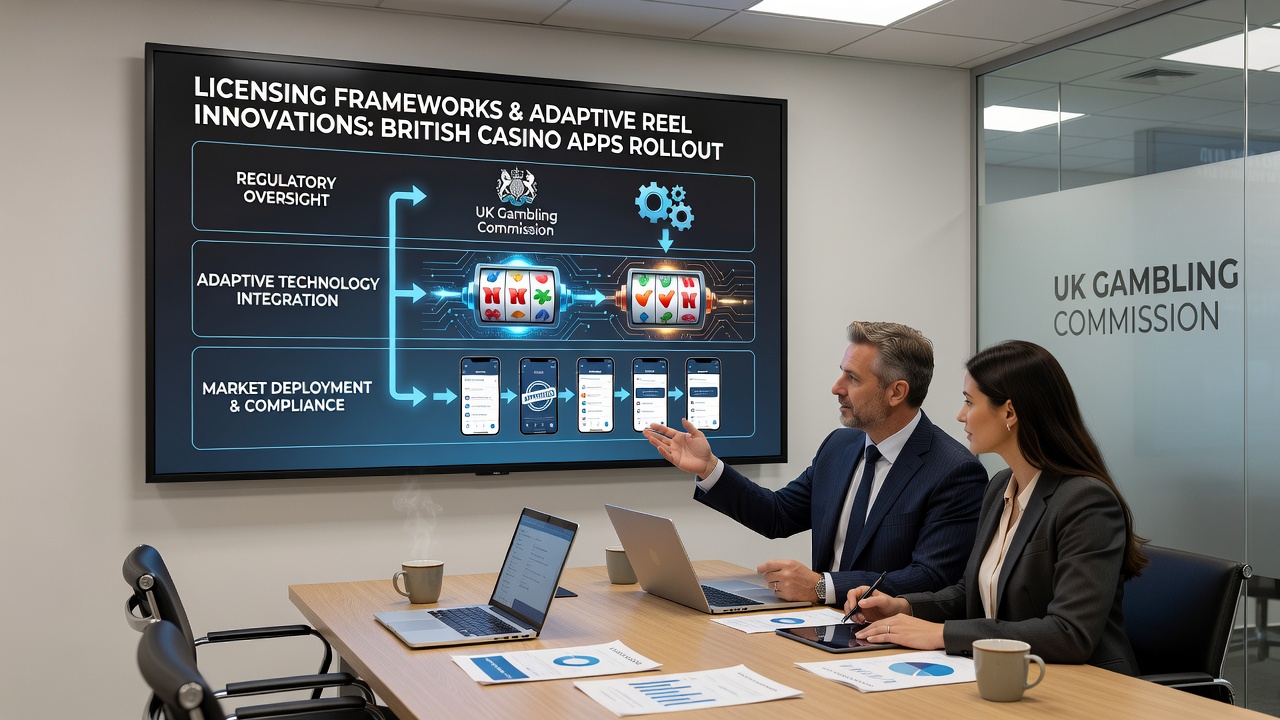
Developers typically sequence innovation releases around licensing milestones, with initial submissions occurring months before scheduled launches. In August 2026, several British operators aligned their adaptive reel updates with revised technical guidelines that clarified testing criteria for hybrid reel-bingo formats. This alignment allowed phased rollouts where core mechanics received approval first, followed by incremental feature additions like stacked multiplier ladders.
Case examples from app providers show that early engagement with licensing consultants reduces revision cycles, particularly when reel expansions interact with progressive jackpot pools. Those who've studied these patterns find that operators who pre-certify base reel engines can deploy regional variations faster once core approval clears.
Technical Standards Influencing Feature Design
Standards documents specify maximum reel variability thresholds and require transparent disclosure of how adaptive changes affect return-to-player percentages. Research from academic sources such as the University of New South Wales Centre for Gambling Research indicates that jurisdictions with clear reel adaptation protocols experience fewer post-launch modifications compared to regions with vague guidelines. British frameworks incorporate these lessons by mandating pre-launch disclosure of all possible reel states and their associated probabilities.
Integration with existing mobile infrastructure adds another layer, since adaptive reels must function consistently across operating systems without introducing latency that could affect game integrity. Developers address this through modular coding approaches that isolate reel logic from user interface elements, allowing targeted updates when licensing bodies request adjustments.
Industry Patterns in Innovation Adoption
Multiple casino applications have introduced adaptive reel layers only after securing licenses that explicitly cover dynamic reel states. This approach stems from past instances where unapproved variations triggered enforcement actions, prompting broader adoption of pre-approval strategies. Figures reveal that operators coordinating with independent test houses achieve faster certification for features like cascading row additions or symbol fusion mechanics.
What's interesting is how smaller developers leverage licensing templates from larger partners to accelerate their own submissions, particularly for reel systems that build on established certified bases. This practice appears across the sector as a response to the resource demands of full technical reviews.
Conclusion
Licensing frameworks continue to define the pace and scope of adaptive reel deployments in British casino apps by enforcing technical verification at every stage. Evidence from ongoing submissions demonstrates that structured compliance processes support steady introduction of new reel capabilities while maintaining required safeguards. As developers refine these systems, licensing criteria evolve in tandem, shaping the next wave of mobile gaming mechanics through documented standards and audit requirements.